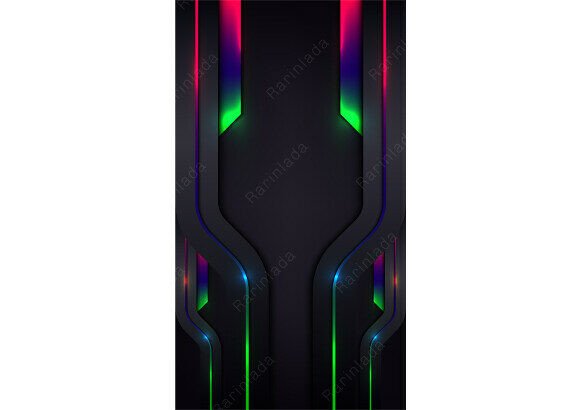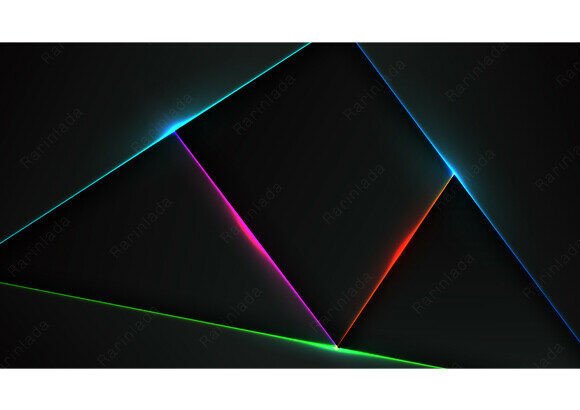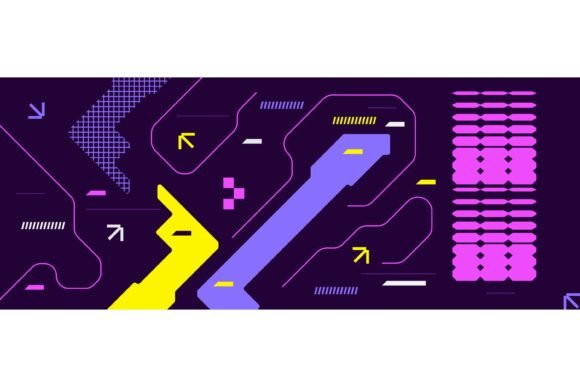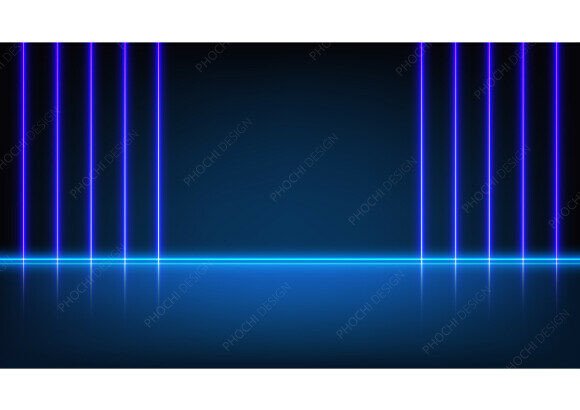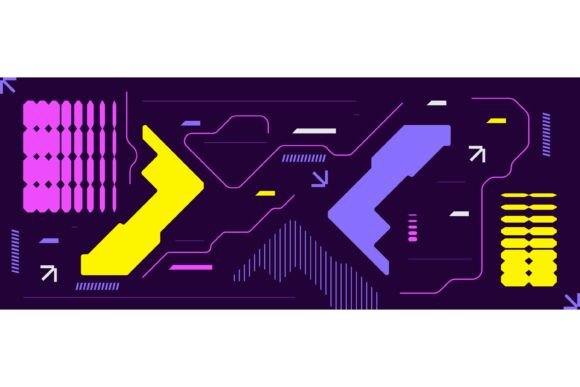
Modern Abstract Futuristic Background for Cutting-Edge Design
The modern abstract futuristic background is a powerful visual tool that blends contemporary design with speculative elements to create a sense of innovation and forward-thinking. This type of background is particularly effective in technology and gaming events, where the goal is to capture attention, convey energy, and communicate a vision of the future. Whether you're designing a promotional banner, a digital interface, or a marketing campaign, a well-crafted modern abstract futuristic background can elevate your project and set it apart from the competition.
Understanding the Role of Modern Abstract Futuristic Backgrounds
In the broader context of design and production, the modern abstract futuristic background serves as a foundational element that influences the overall aesthetic and message of a project. It acts as a canvas upon which other design components—such as typography, graphics, and interactive elements—are built. This makes it an essential consideration during the early stages of planning and execution.
For instance, when creating a banner for a tech conference or a gaming expo, the background plays a critical role in establishing the tone and atmosphere. A background that incorporates neon shapes, geometric patterns, and digital textures can evoke a sense of movement, sophistication, and technological advancement. This not only enhances the visual appeal but also aligns with the event's theme and audience expectations.
Using Modern Abstract Futuristic Backgrounds in Different Stages of a Project
The application of a modern abstract futuristic background extends beyond the initial design phase. It can be integrated at various points in the workflow, depending on the project's needs and goals.
- Before a Project: During the planning stage, the background can help define the creative direction and set a visual benchmark for the rest of the design work. It provides a reference point for color schemes, layout structures, and stylistic choices.
- During a Project: As the design progresses, the background can be adjusted and refined to ensure consistency with other elements. This includes matching gradients, ensuring visibility of text, and maintaining a cohesive look across different platforms and formats.
- After a Project: Once the design is complete, the background can be used for additional assets, such as social media posts, email templates, or print materials. Its adaptability makes it a valuable resource for extending the life and reach of a design.
Integration with Other Tools and Resources
A modern abstract futuristic background works best when combined with other design tools and resources. For example, vector files (such as EPS) allow for scalability without loss of quality, making them ideal for both digital and print use. High-resolution JPEGs ensure that the background looks sharp on screens, while 100 vector files provide flexibility for editing and customization.
Designers often use these backgrounds in conjunction with graphic design software like Adobe Illustrator or Photoshop. These programs offer advanced tools for adjusting colors, layering effects, and adding interactive elements. By leveraging the right tools, designers can maximize the potential of a modern abstract futuristic background and tailor it to specific project requirements.
Practical Implementation Tips
To effectively implement a modern abstract futuristic background, consider the following tips:
- Define the Purpose: Before selecting or creating a background, determine its primary function. Is it for a website, a presentation, or a physical event? The purpose will influence the choice of style, resolution, and format.
- Ensure Compatibility: Check that the background is compatible with the platforms and devices where it will be displayed. This includes testing on different screen sizes, resolutions, and browsers to ensure consistent performance.
- Maintain Usability: While aesthetics are important, usability should not be overlooked. The background should not interfere with readability or user interaction. Use contrasting colors and avoid overly complex patterns that may distract from the main content.
- Organize Files: Keep all design files organized, especially if multiple versions or formats are required. This includes separating high-resolution images, vector files, and any associated assets into clearly labeled folders.
Workflow Examples and Observations
Consider a scenario where a marketing team is preparing for a new gaming product launch. The team decides to use a modern abstract futuristic background for their promotional materials. They start by selecting a background that features neon shapes and digital textures, which aligns with the game’s futuristic theme. Next, they adjust the background in Adobe Illustrator to ensure it matches the brand’s color palette and typography. Finally, they export the file in both JPEG and EPS formats to accommodate different usage scenarios, such as online ads and print banners.
This approach demonstrates how a modern abstract futuristic background can be seamlessly integrated into a workflow. It not only enhances the visual identity of the project but also supports efficient production and distribution.
Long-Term Use and Consistency
When using a modern abstract futuristic background over time, consistency is key. Maintaining a uniform style across different projects helps reinforce brand recognition and ensures a cohesive visual language. This is especially important for businesses that rely on regular marketing campaigns or event promotions.
Additionally, considering long-term use means planning for updates and revisions. As trends evolve and new design techniques emerge, the background may need to be refreshed or adapted. Keeping a library of high-quality assets, such as vector files and high-resolution images, allows for easy modifications without starting from scratch.